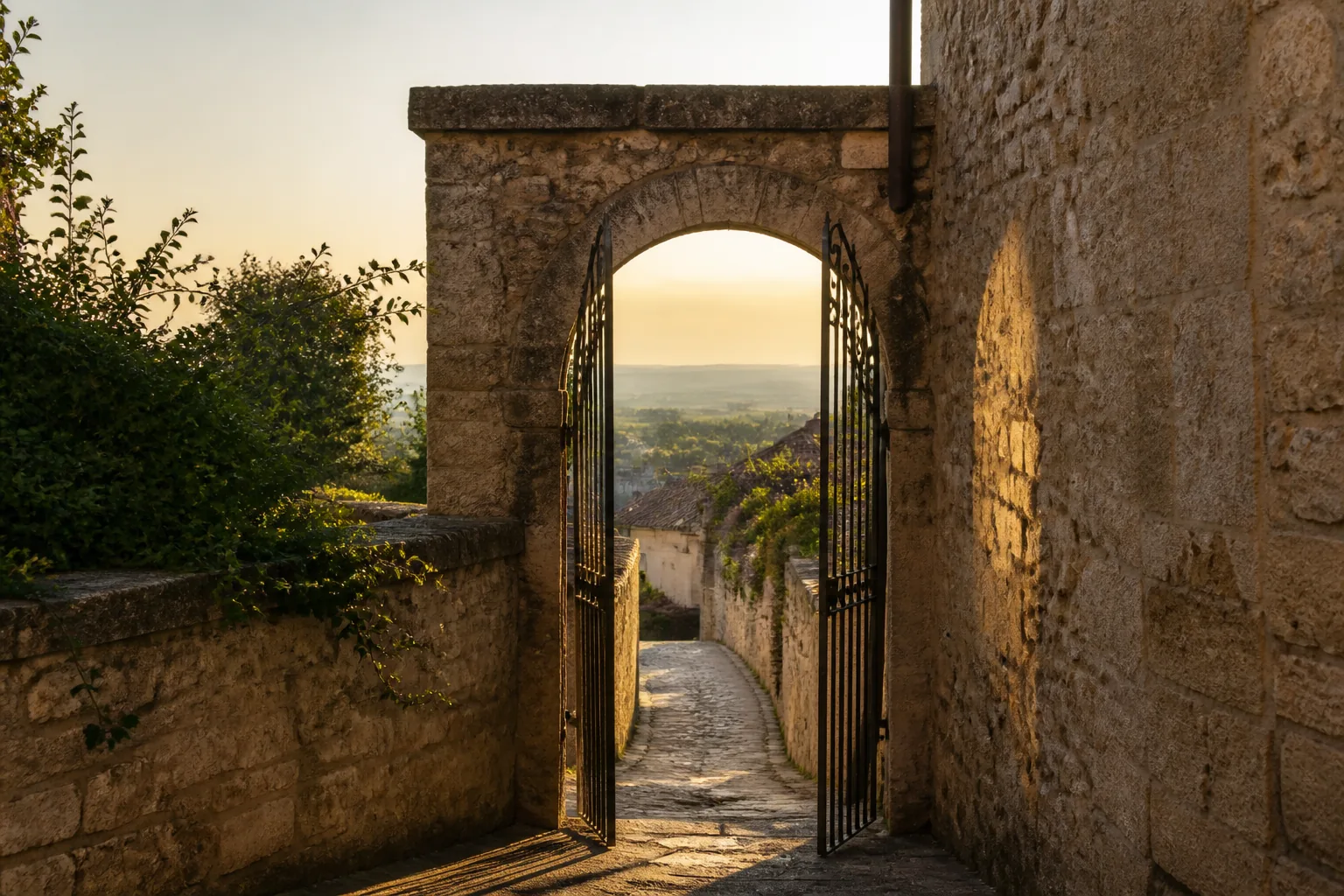
How to keep a district in your head
A first day can feel full and still leave nothing behind. You walked. You arrived. Overnight the streets went blank. This drill is how I teach people to keep three anchors so the second day starts with a picture, not a search bar.
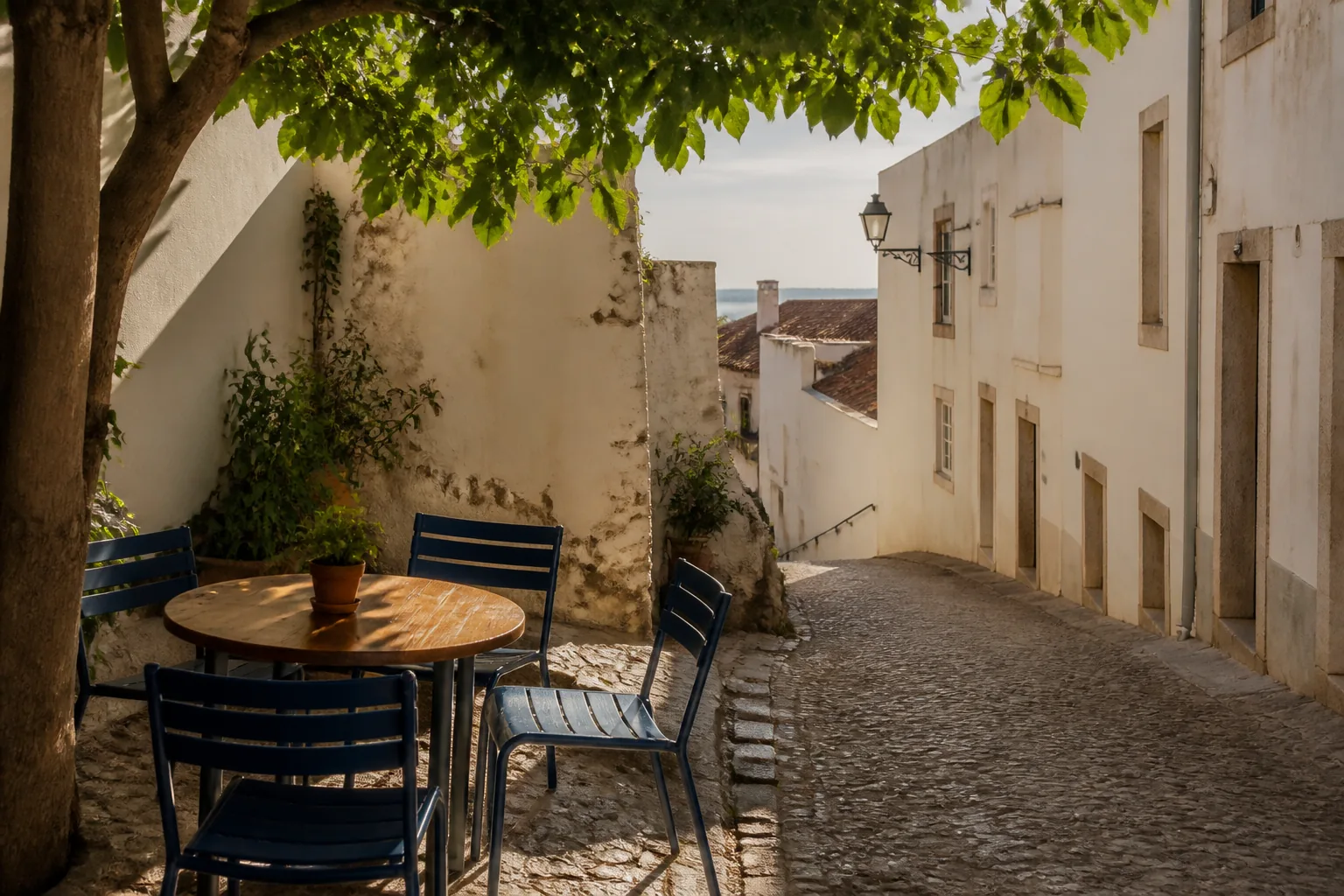
Memory of place is not a gift some travelers have and others lack. It is a habit of noticing a few things on purpose. Most people notice nothing because the phone is doing the noticing for them. When the phone is closed, there is no residue.
I do not ask anyone to memorize street names. Names fade. What sticks is a small set of anchors you can redraw on a napkin: something you entered, something living, something the ground did under your feet.
Three anchors, not fifty photos
Collecting images does not build a map. Collecting three anchors does. Choose them while you walk, say them aloud once, and test them before you sleep.
- One doorway or cafe you could find again without an address.
- One tree, clock, or painted wall that marks a corner.
- One change in slope — uphill, downhill, or a flat shelf between them.
That is enough for a small district. Water and a main spine still matter for the larger frame. The three anchors are what make a side street feel like a room you have already visited.
If you cannot redraw the corner on paper, you did not keep the corner. You only passed through it.
A drill that fits a morning walk
Use this sequence on the first loop. It takes almost no extra time. It changes what the evening feels like.
- Pick the cafe or doorway within the first twenty minutes and name it out loud.
- At the next turn, pick one living or painted landmark and face it for three breaths.
- Notice where your calves work harder or ease — that is the slope cue.
- At a rest stop, close the phone and point back to all three without looking.
- Before bed, redraw the triangle on a scrap of paper. Fix anything that failed.
If step four fails, do not blame the district. Walk the same triangle once more the next morning. The second pass is usually cheaper than a day spent reopening the map at every junction.
What this is not
This is not a contest to abandon the phone. Use transit times, opening hours, and a pin when you need them. The drill only claims the space between pins — the part where understanding usually leaks away.
It also is not a license to stare into private courtyards for “better landmarks.” Choose public edges: a plane tree on a corner, a clock over a square, a slope you already walk. The point is to leave a place readable, not to extract it.
When the second day begins and you can find the cafe, the tree, and the fall of the street without unlocking the screen, the district has started to live in your head. That is the whole method.
Traveling with other people changes the drill only slightly. Ask each person for one anchor instead of three. Compare at lunch. The overlaps become the shared map; the differences become useful edges. Children often remember the tree and the slope faster than adults who keep checking the phone. Let them lead the redraw on paper. The point is not to perform expertise. The point is to leave fewer blank minutes between the places you already walked.
If a day is dense with museums and appointments, shrink the triangle. One block can be enough. A single sloping street with a cafe at the top and a landmark at the bottom will still give you a picture to return to when the schedule slips and you need to find your way without another search.